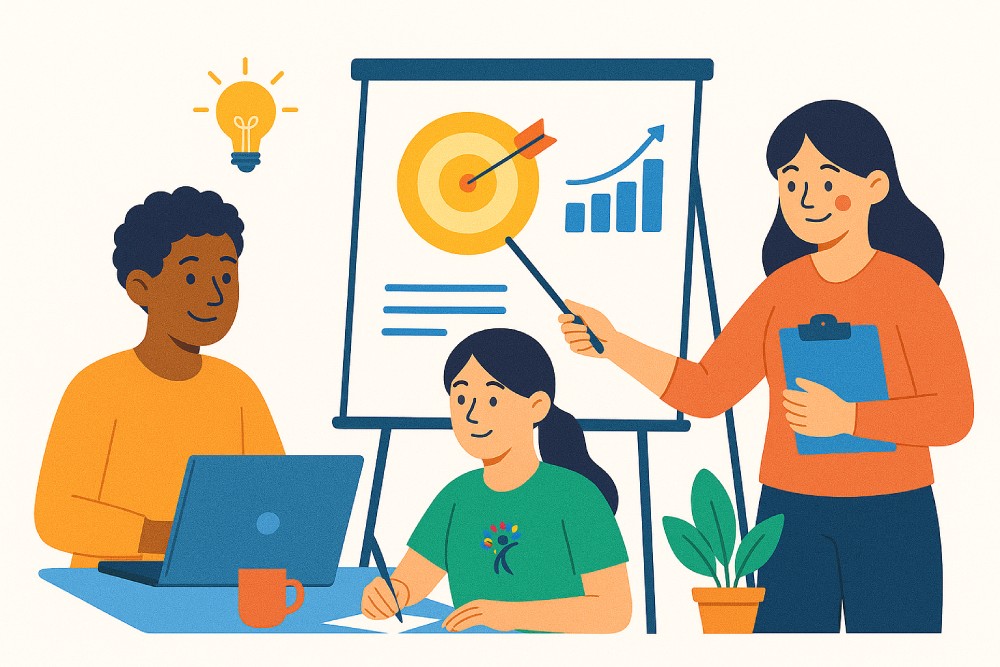
At HACCSA, we believe that strengthening skills and systems is fundamental to building resilient healthcare environments. Our Training and Capacity Enhancement programs are designed to empower healthcare workers, NGOs, and community leaders with the knowledge, tools, and strategies needed to drive meaningful health outcomes across Southern Africa.
Led by experienced facilitators, clinical experts, and public health specialists, our trainings combine practical knowledge, participatory learning, and real-world applications tailored to diverse audiences.
Key Training Programs Offered
✅ 1. RTCQI – Rapid Test Continuous Quality Improvement
- Designed for HIV Testing Services (HTS) providers
- Ensures accurate, consistent, and reliable HIV testing
- Includes:
- Pre- and post-test counselling techniques
- Internal Quality Control (IQC) procedures
- Mentorship and site improvement plans
✅ 2. HIV, TB & STI Prevention and Management
- Evidence-based training for managing infectious diseases
- Ideal for healthcare workers, peer educators, and NGOs
- Covers:
- HIV testing and PrEP implementation
- TB screening and treatment adherence
- STI diagnosis and syndromic management
✅ 3. Sexual and Reproductive Health and Rights (SRHR)
- Focused on serving key populations (e.g., youth, LGBTQI+, sex workers)
- Promotes rights-based, inclusive healthcare delivery
- Topics include:
- Contraceptive counselling
- Menstrual health education
- Gender-based violence (GBV) response
✅ 4. Comprehensive Integrative Health
- Encourages a holistic approach to wellness
- Integrates mental, physical, emotional, and spiritual health
- Explores:
- Nutrition and lifestyle medicine
- Mindfulness in clinical care
- Traditional and complementary practices
✅ 5. Procurement & Supply Chain Management for NGOs
- Practical skills for efficient resource allocation
- Supports donor-funded program compliance and reporting
- Includes:
- Stock forecasting and ordering
- Inventory management systems
- Procurement ethics and budgeting
✅ 6. Community Engagement & Health Communication
- Equips teams with effective social mobilization strategies
- Promotes health messages through digital and offline platforms
- Topics include:
- Social media content planning
- Behaviour change communication
- Community health worker support
✅ 7. Infection Prevention & Control (IPC)
- Ideal for clinical and community-based healthcare settings
- Focuses on preventing cross-contamination and outbreaks
- Includes:
- Hand hygiene, PPE use, and waste segregation
- Facility layout assessments
- Outbreak response protocols
✅ 8. Waste Management Training
- Promotes safe and sustainable waste handling in health contexts
- Especially relevant for primary care and outreach services
- Topics covered:
- Segregation and classification of waste
- Disposal methods for sharps, biohazards, and pharmaceuticals
- Legal and environmental compliance
Training Approach
- On-site or virtual delivery options
- Customizable to organizational needs and audience level
- Uses participatory methods: role play, case studies, group activities
- Certificates issued upon completion
Who Should Attend?
Our programs are ideal for:
- Clinical and community health workers
- NGO and CBO staff
- Public health professionals
- Youth leaders and peer educators
- Program managers and M&E officers
Impact & Outcomes
By participating in our programs, learners will:
- Gain practical skills aligned with national and global health standards
- Improve service delivery and patient outcomes
- Strengthen organizational performance and sustainability
- Enhance confidence, advocacy, and leadership in health settings
Can the training programs be customized to our organization’s needs?
Absolutely. All our training programs are fully customizable. We assess your team’s existing capacity, organizational goals, and community context to tailor the content, duration, and delivery method—whether on-site or virtual.Do participants receive certificates after completing the training?
Yes. All participants who complete a training session receive a certificate of completion, which can support their professional development and compliance with donor or regulatory requirements..Who are the facilitators for these trainings?
Our trainings are led by a multidisciplinary team of healthcare professionals, public health experts, and experienced facilitators. Many have worked across Southern Africa and are well-versed in both clinical and community health settings.